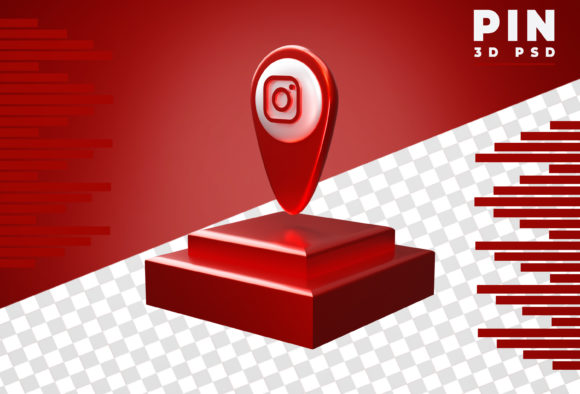
3D Pin Logo Instagram Rendering: Elevate Your Design Presentations
Imagine showcasing your latest logo concept not as a flat graphic, but as a tangible, three-dimensional object resting beautifully in a realistic interior. This is the power of a 3D Pin Logo Instagram Rendering. It’s a specialized design asset that transforms your artwork into a photorealistic scene, perfect for making your social media posts, portfolio, and client presentations stand out.
This type of rendering is more than just a fancy mockup; it’s a storytelling tool. By placing your logo or design into a context that feels real and physical, you immediately elevate its perceived value and professionalism. It’s particularly effective for creators who want to demonstrate how their work would look in the real world, whether on merchandise, in a studio, or as part of a brand identity system.
Why This Rendering is a Game-Changer for Creatives
The core value lies in its ability to bridge the gap between digital design and physical reality. Instead of simply saying, “This is my new logo,” you can show it as a beautifully crafted pin, badge, or 3D emblem. This approach is incredibly persuasive for potential clients and followers alike.
- For Logo and Brand Identity Designers: Present multiple logo concepts to a client in a dynamic, engaging format. Seeing a logo rendered in 3D helps clients visualize the final product and builds excitement around the brand direction.
- For Social Media Managers and Content Creators: Generate eye-catching, scroll-stopping content for Instagram, Pinterest, or LinkedIn. A 3D rendering adds a layer of polish and creativity that static images often lack, boosting engagement and shareability.
- For Online Shop Owners and Artists: Use the mockup to display artwork, canvas prints, or photos. It allows you to show customers how beautifully your pieces look in a real interior setting, which can significantly increase conversion rates and reduce returns.
Practical Applications and Creative Uses
The versatility of a high-quality rendering file is one of its greatest strengths. It’s a flexible design asset that can be adapted for numerous projects, making it a valuable addition to any designer’s toolkit.
Consider using it for packaging design previews, where a 3D badge can hint at the premium feel of a product. For poster design or editorial layouts, it adds a sophisticated visual element. Web designers can integrate these renderings into hero sections or case study galleries to make their work more compelling. Even for invitation design or merchandise mockups, this effect can make the final product feel more tangible and desirable.
Tips for Choosing and Using Your Rendering File
Not all mockups are created equal. To get the most out of your 3D rendering, keep a few practical tips in mind:
- Check for Editability: The best files come as layered Photoshop PSDs with smart objects. This allows you to simply paste your artwork into a designated layer, and the rendering automatically adjusts to your image’s size and ratio. It saves hours of manual work.
- Match the Mood: Ensure the style of the rendering (the lighting, background, and 3D effect) aligns with your project’s overall aesthetic. A sleek, modern pin rendering might suit a tech startup, while a textured, vintage-style badge could be perfect for a boutique brand.
- Consider the License: Always verify the usage license. If you plan to use the rendering for commercial client work or products you sell, ensure the font or asset license permits it. This avoids legal issues down the line.
- Test with Your Work: Before committing, see how your specific artwork interacts with the rendering. Does the lighting complement your colors? Does the perspective make sense? A quick test can save you from a poor final presentation.
Investing time in finding the right rendering asset is an investment in your professional presentation. It helps maintain visual consistency across your portfolio and social channels, which strengthens brand recognition. The right tool doesn’t just make a single project look better; it elevates your entire body of work, showing a commitment to quality and detail that clients and audiences notice and appreciate.